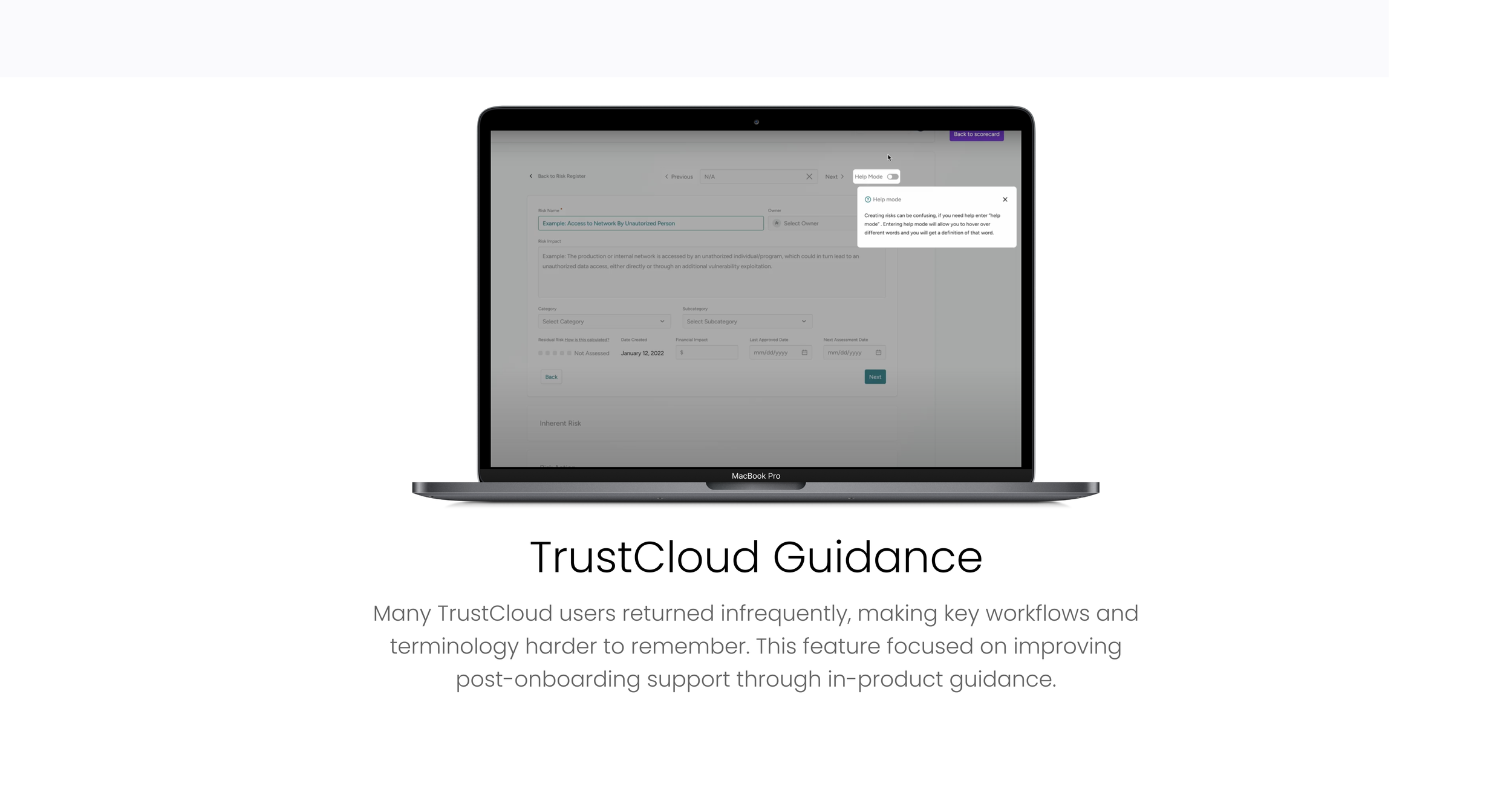

Project Overview
Company: TrustCloud
Role:
As the primary designer, I led research, concept exploration, and UI design while collaborating with product and engineering.
Approach:
I approached this project by first identifying where users struggled after onboarding, then exploring multiple support concepts, narrowing scope through team feedback, and validating the strongest direction through testing.
The Results:
20%
Increase in user support discovery
10%
Decrease in support tickets
75%
of users found platform navigation easier

The Problem
TrustCloud users often returned to the platform only when compliance tasks were due, making key workflows difficult to recall.
Users:
need on demand help
are not active in the platform daily
don’t want to be overwhelmed with all the capabilities of our software
Research focused on:
understanding where users lost confidence after onboarding
identifying which workflows created the most friction
clarifying what successful in-product support should look like
Who is impacted?

Pain points to be addressed
New users are struggling to successfully navigate the platform their first few weeks of using it.
New and experienced users don’t have any in product assistance when they forget certain terms.
An overall lack of assistance and help within the platform for both new and experienced users.

Research Insights
To better understand where support was breaking down, I gathered feedback from users and internal stakeholders to identify recurring friction after onboarding.
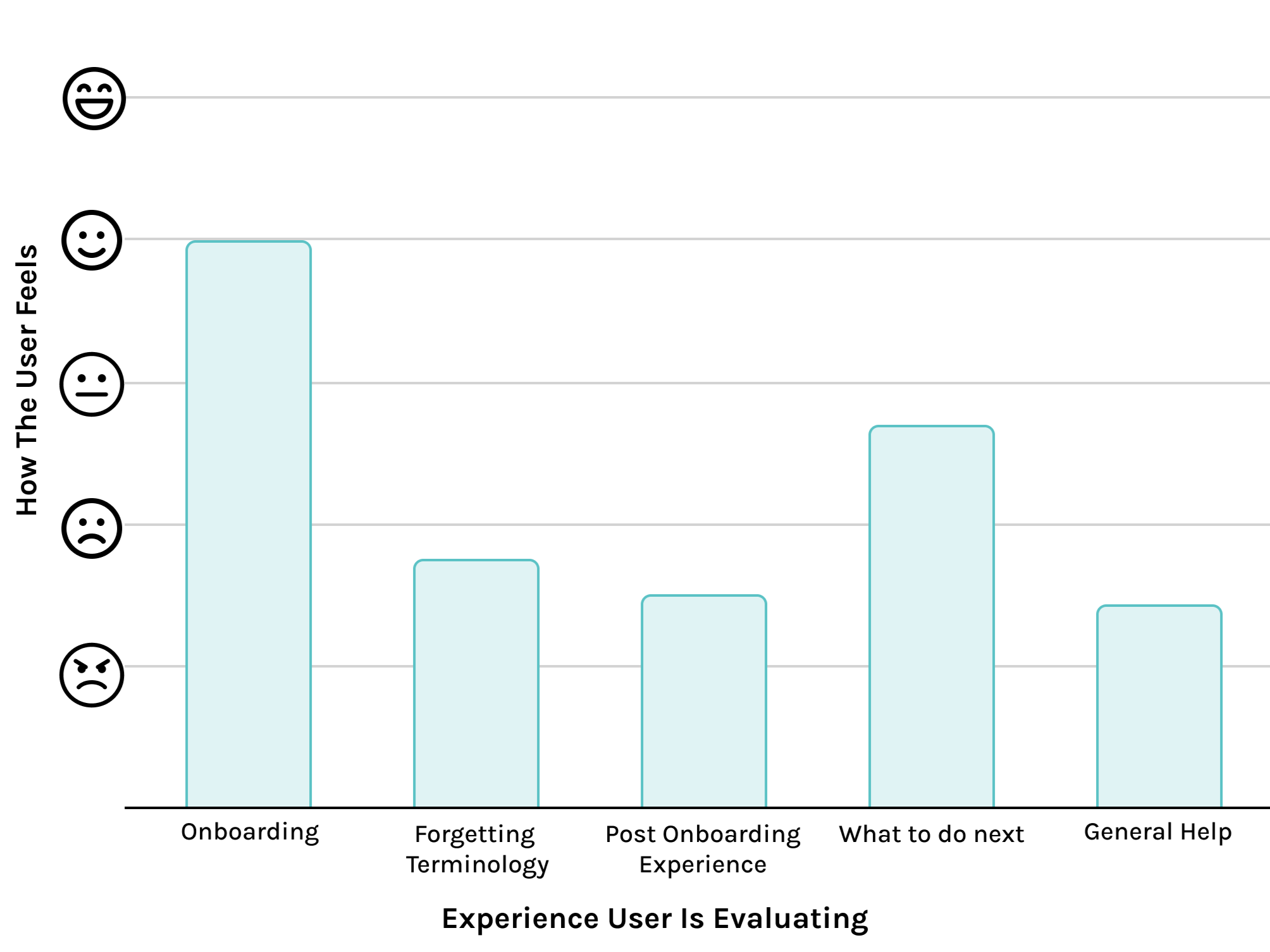
High Level Takeaways:
Onboarding
Good structure through actually onboarding
Terminology
No way to figure out what a term means without leaving the platform
What Next
Unclear what they should do next, after a task
Post Onboarding
Not sure where to go once onboarded
No help to explore the platform, once they have created their account
General Help
No way for users to get general help without leaving platform

Exploring Solutions
After clarifying the core pain points, I explored multiple support concepts to understand which patterns best fit user behavior and platform constraints.
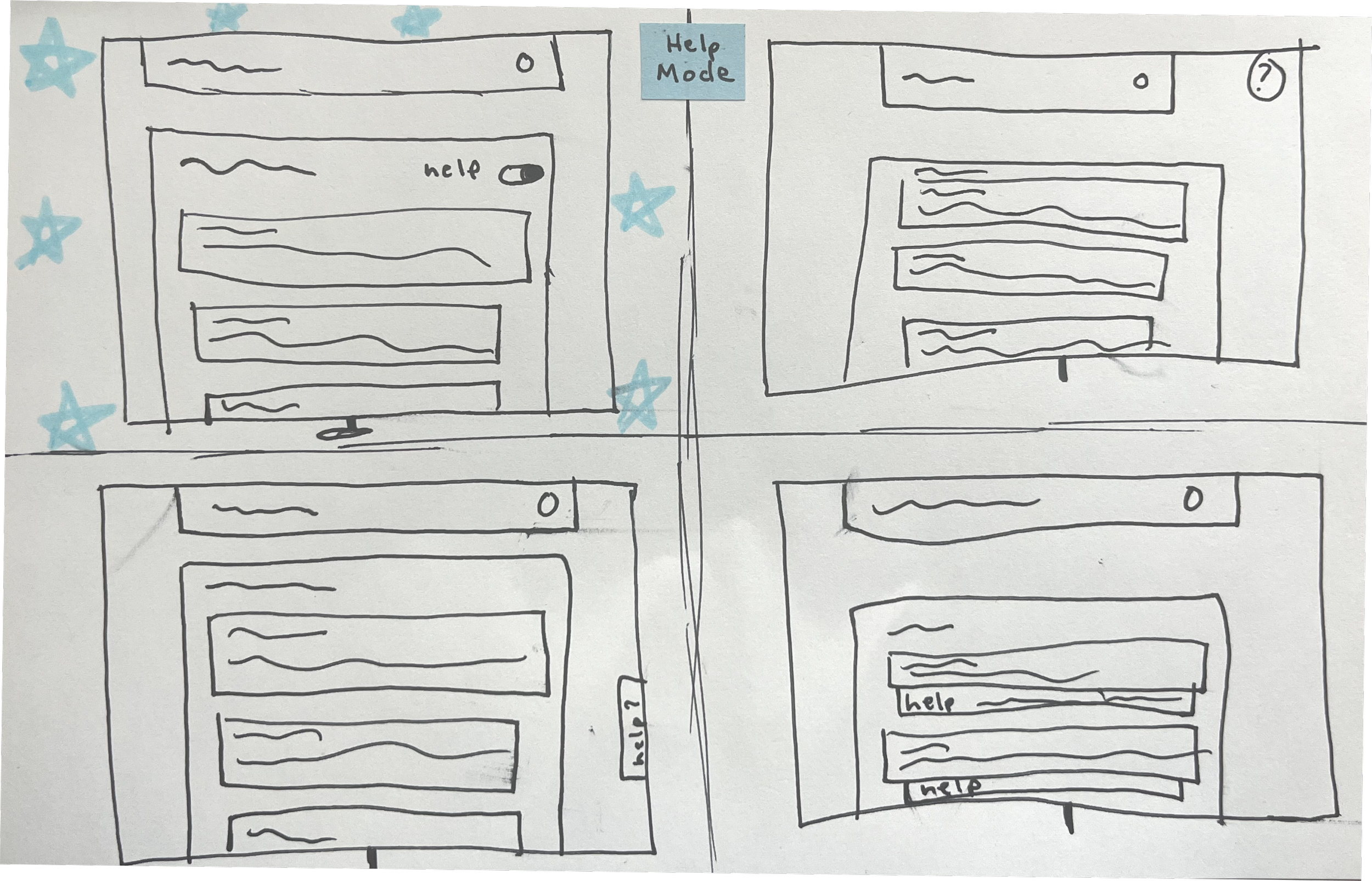
Early Concept Exploration
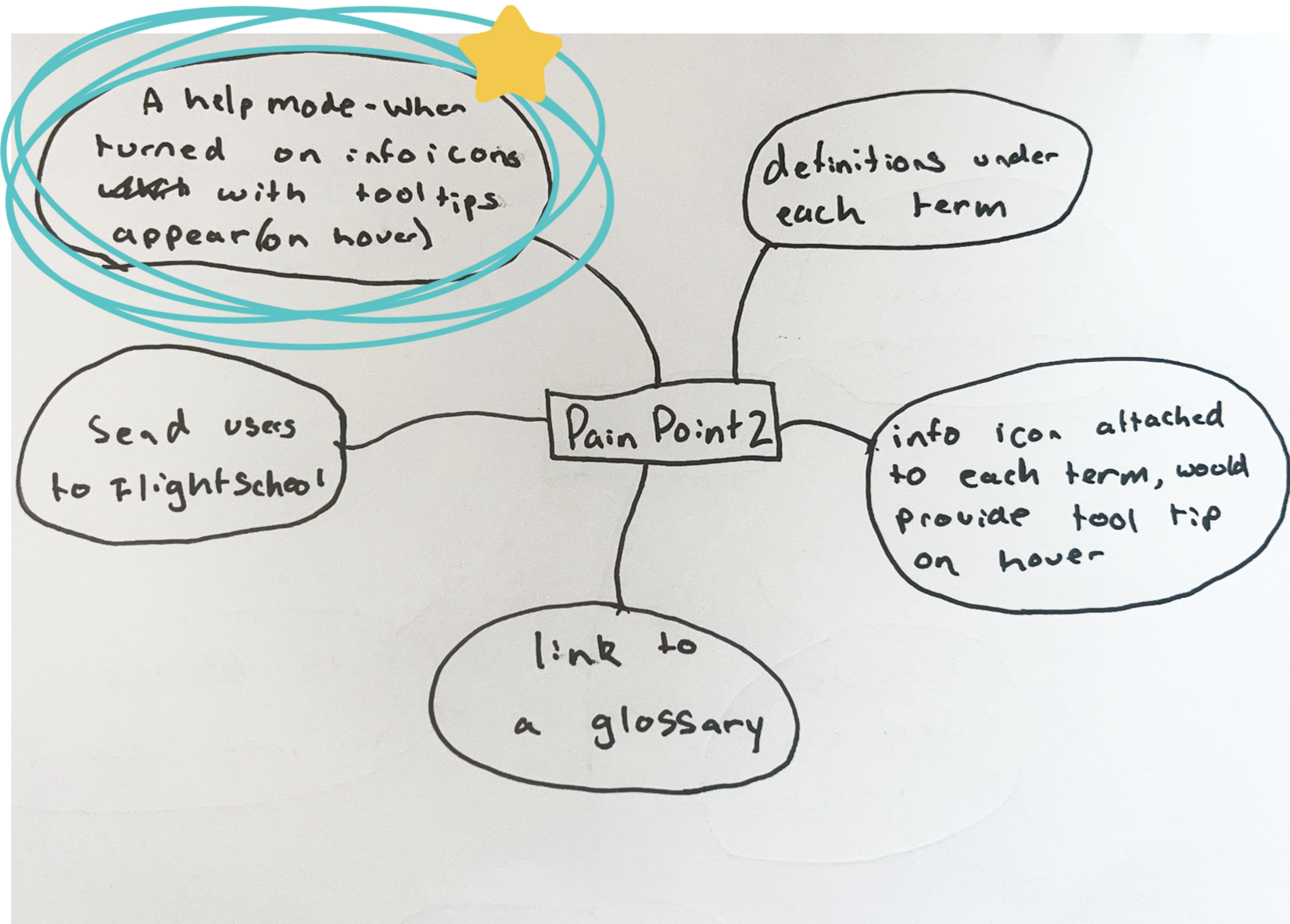
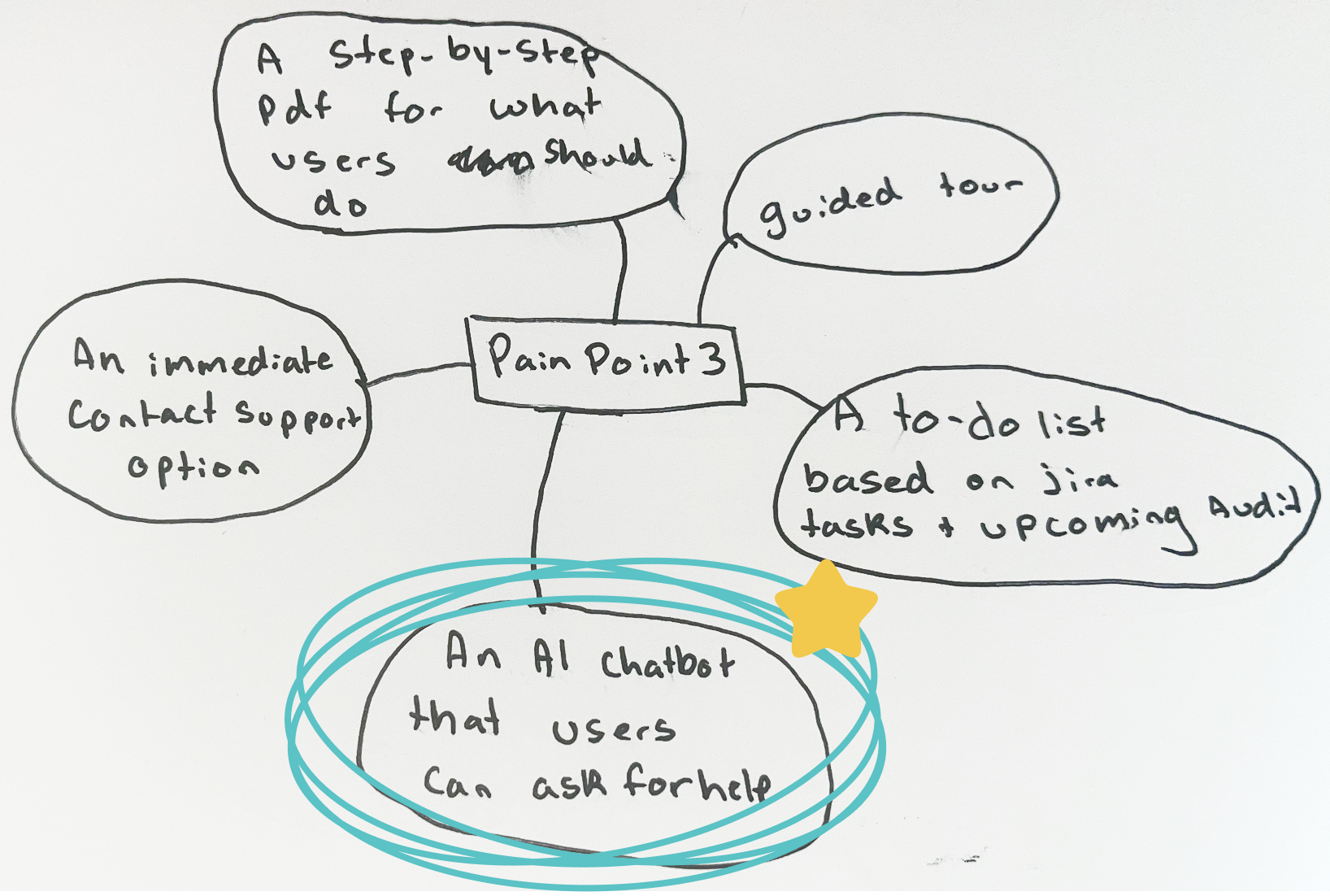
The main flow I wanted to sketch out was “Help Mode”, as this is not a common feature and we wanted to explore all of our options. Due to existing patterns within our platform the guided tour and chatbot did not need to be sketched out in this lofi, these were moved into midfid.
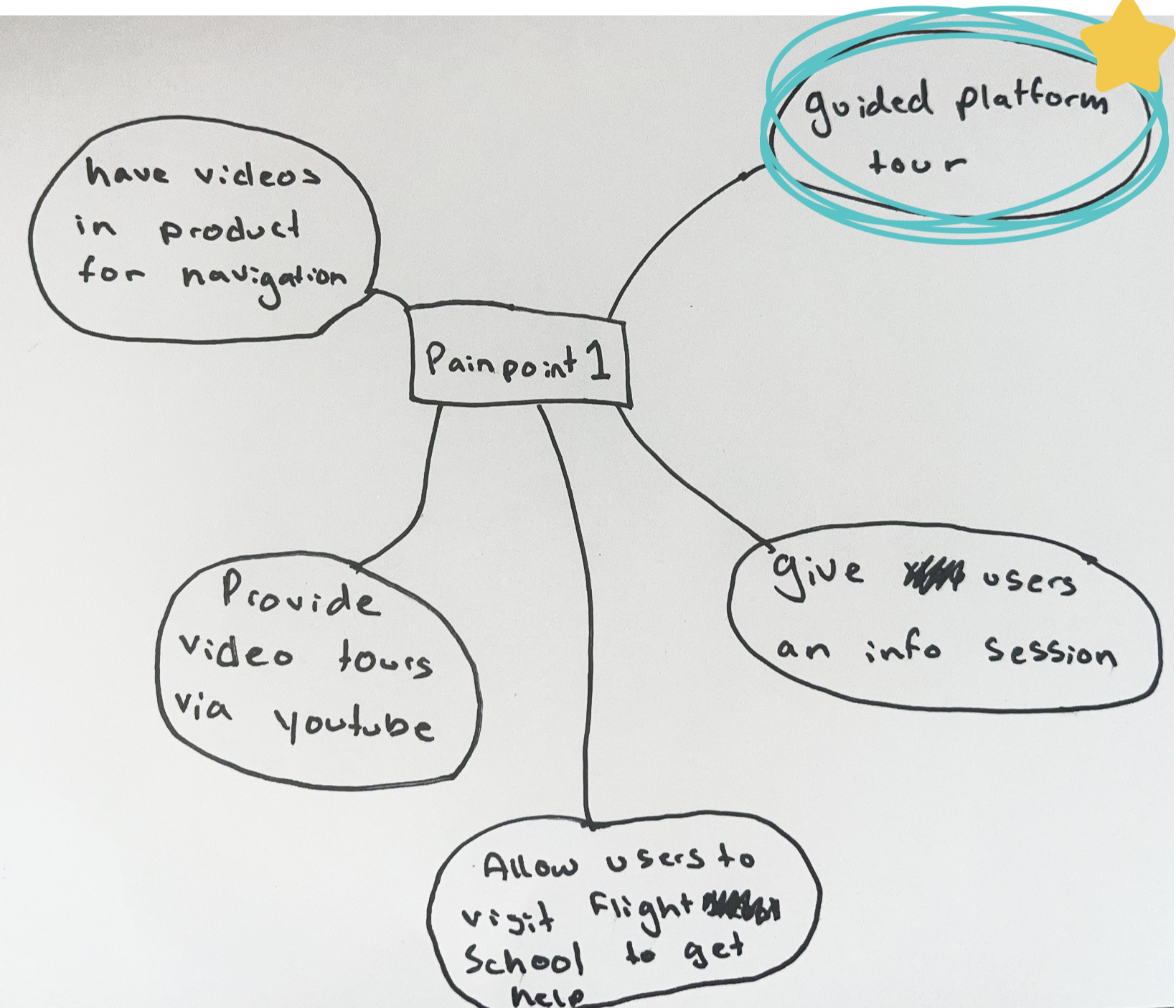
Ideating Potential Solutions
Pain Point 1: Users are struggling to navigate the platform their first few weeks
Pain Point 2: New and experienced users don’t have any in product help when they forget terms
Pain Point 3: A lack of help within the software for both new and experienced users

Design Direction
Once the strongest concepts emerged, I focused on refining the ideas that best balanced user value and product feasibility.
Cross-Functional Feedback
Before moving into final designs, I reviewed early concepts with design, product, and engineering to understand what felt strongest and what was realistic to move forward.
Key feedback:
Guided tour felt immediately useful for returning user
Help Mode added value without interrupting workflows
The chatbot raised implementation concerns and became a lower priority
High Fidelity Mocks
With the direction aligned, I translated the prioritized concepts into hifi designs that fit within the existing platform.
Help Mode
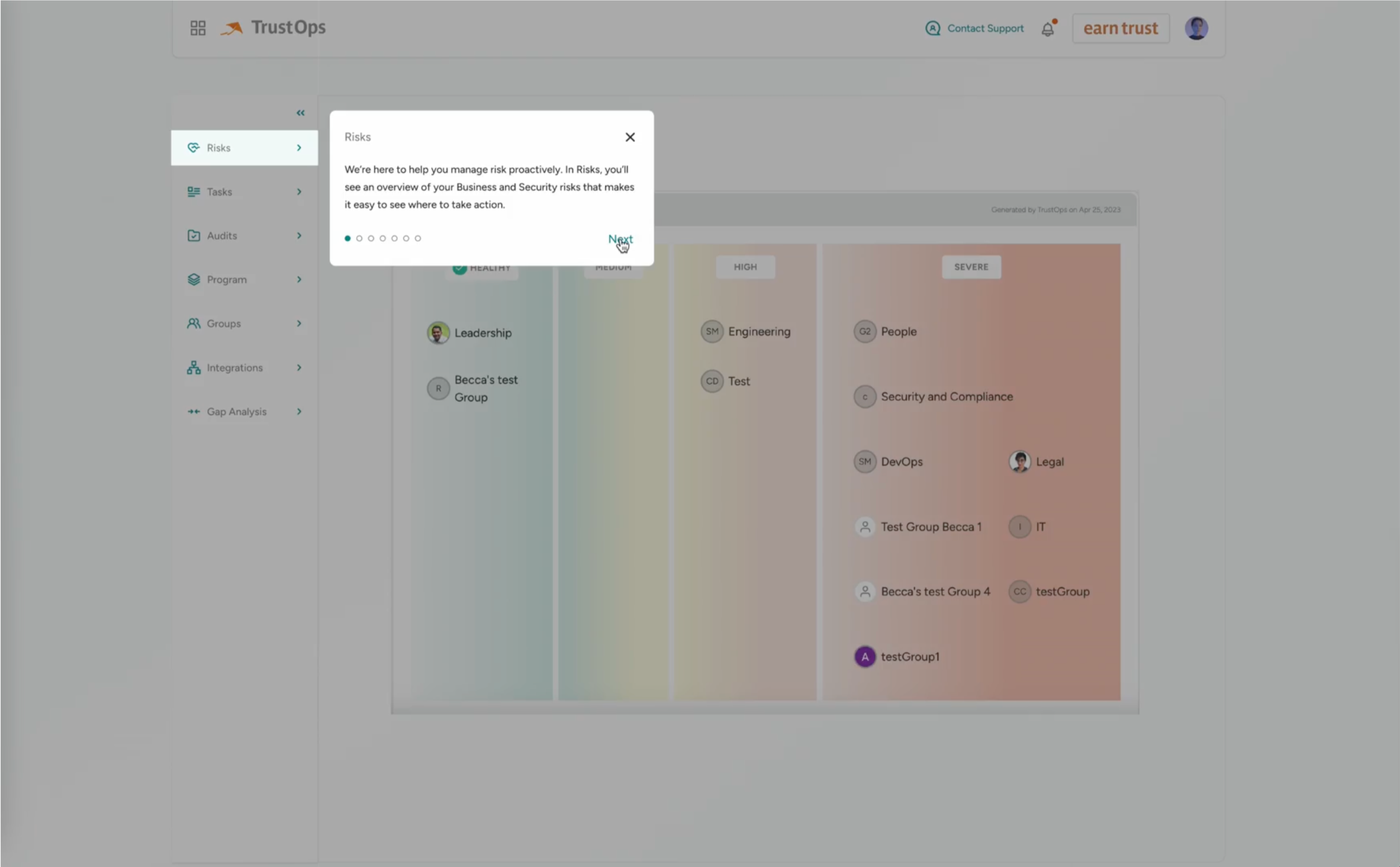
The guided tour was refined to feel more optional, giving new users guidance without forcing experienced users into extra steps.
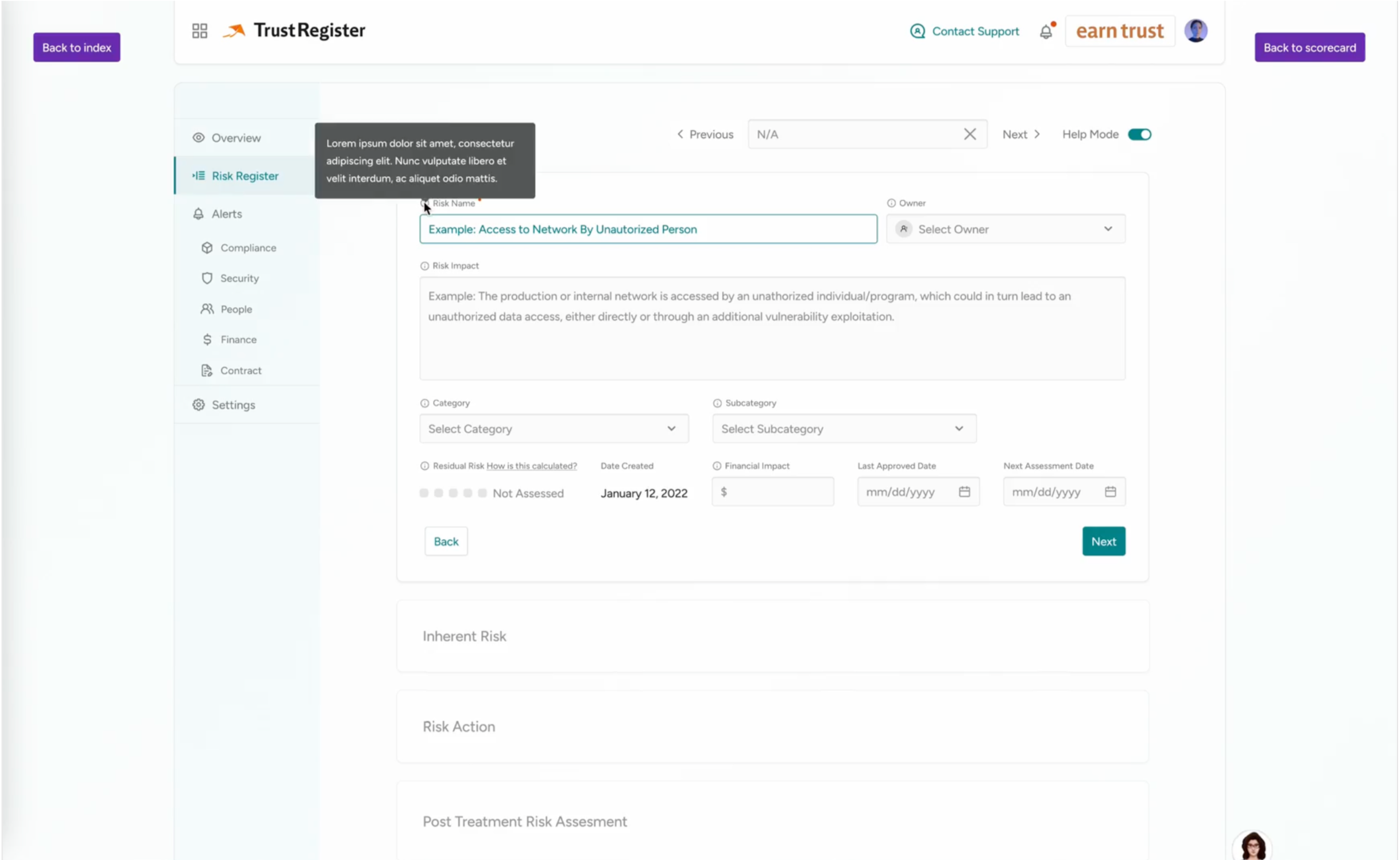
Help Mode introduced lightweight, contextual support directly inside key workflows so users could get clarification without leaving the page.
Guided Tour

Testing & Iteration
To validate the proposed solutions, I tested the high-fidelity concepts with users to understand discoverability, usefulness, and overall comfort with each experience.
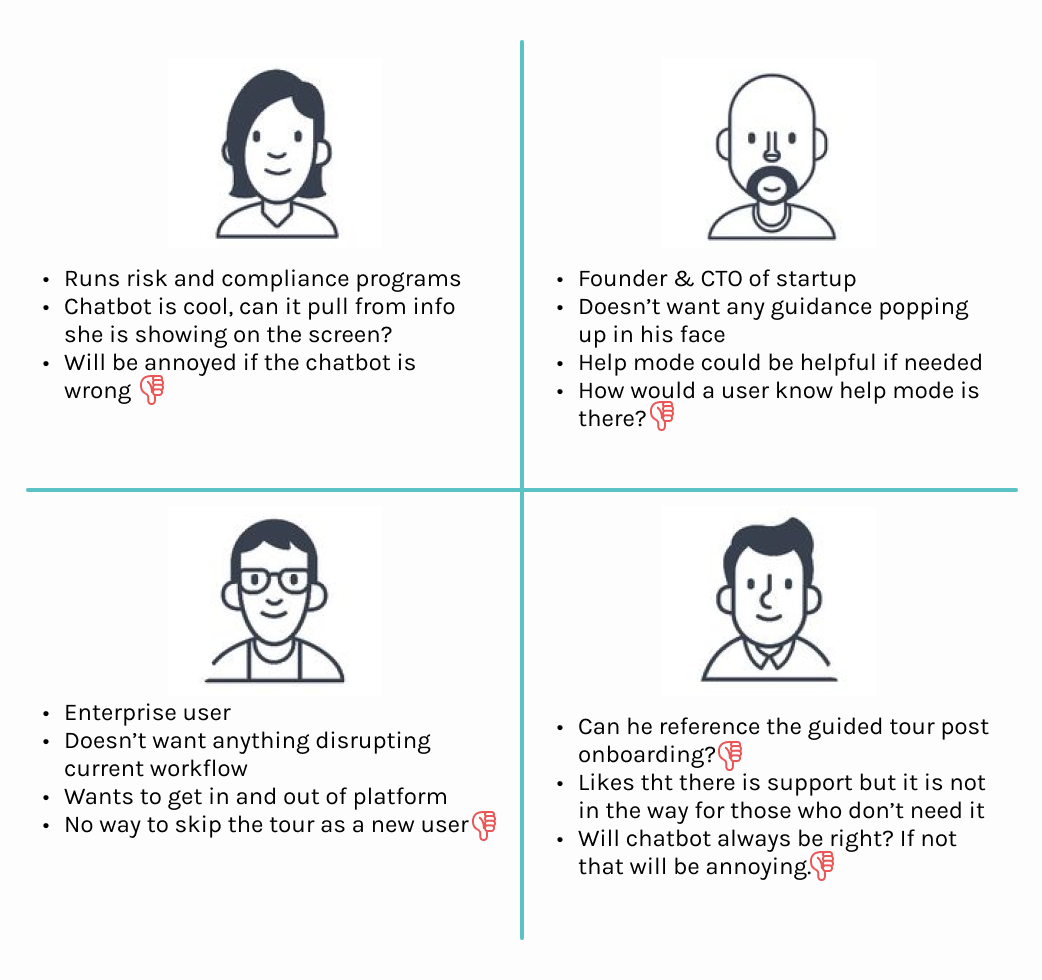
What we learned:
Help Mode was seen as useful, but some users did not immediately notice how to activate it
Users wanted more control over the guided tour, including the ability to skip or revisit it later
The chatbot concept raised hesitation when users imagined receiving inaccurate answers
Design Refinements
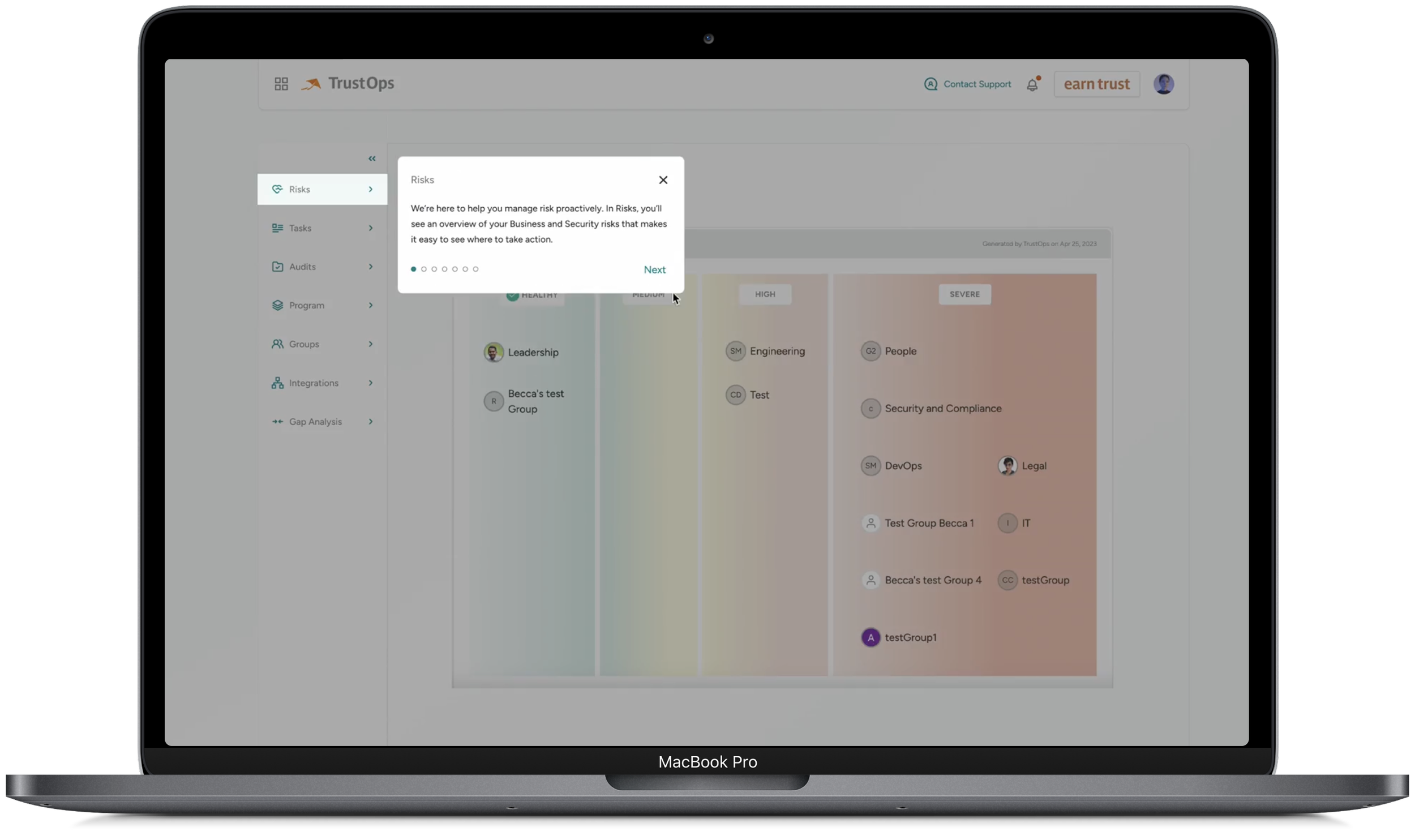
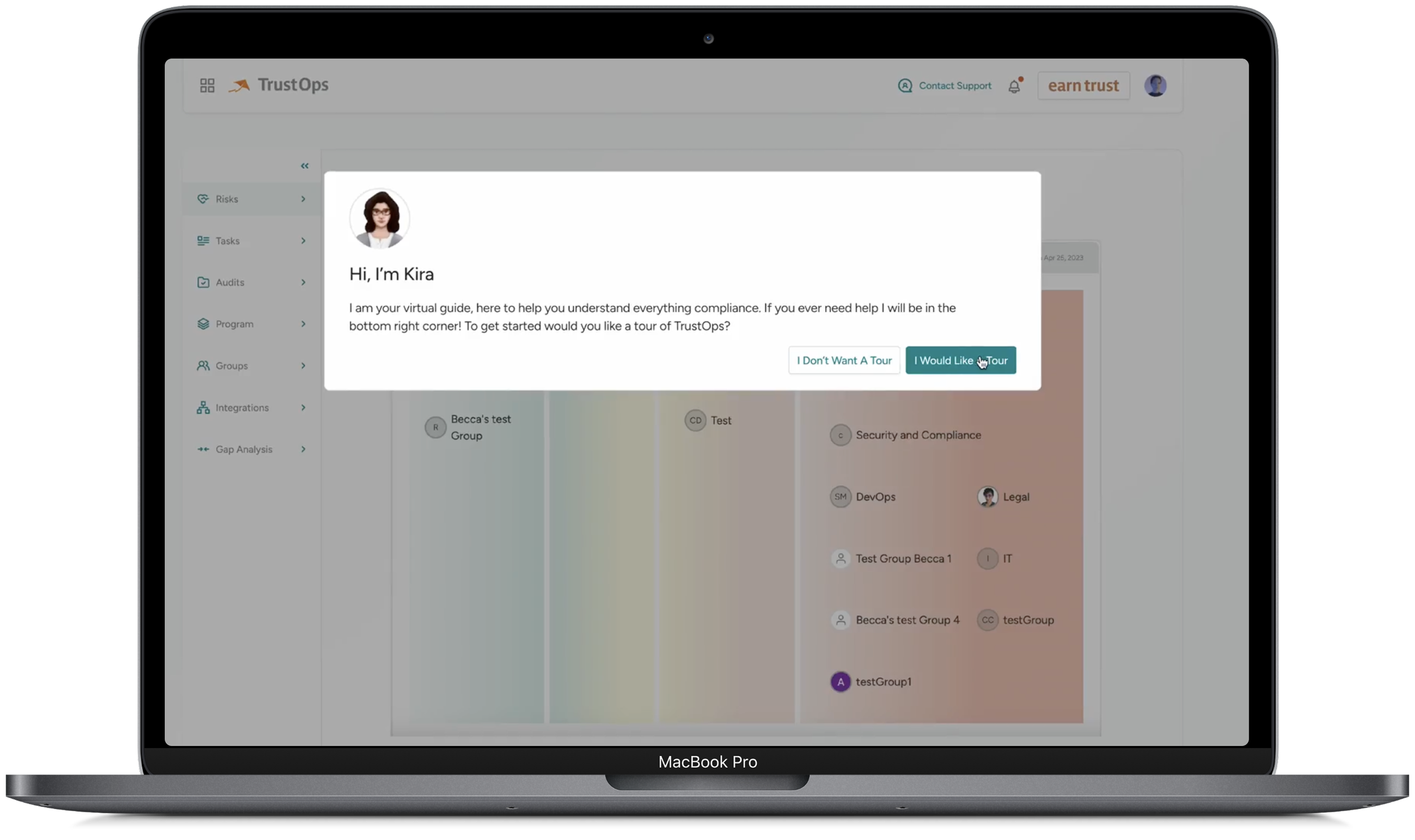
Iteration 1: Guided Tour Entry Point
Testing showed that automatically starting the guided tour felt too rigid for some users. I added a simple choice that allowed users to begin the tour immediately or skip it for later.
Before
After
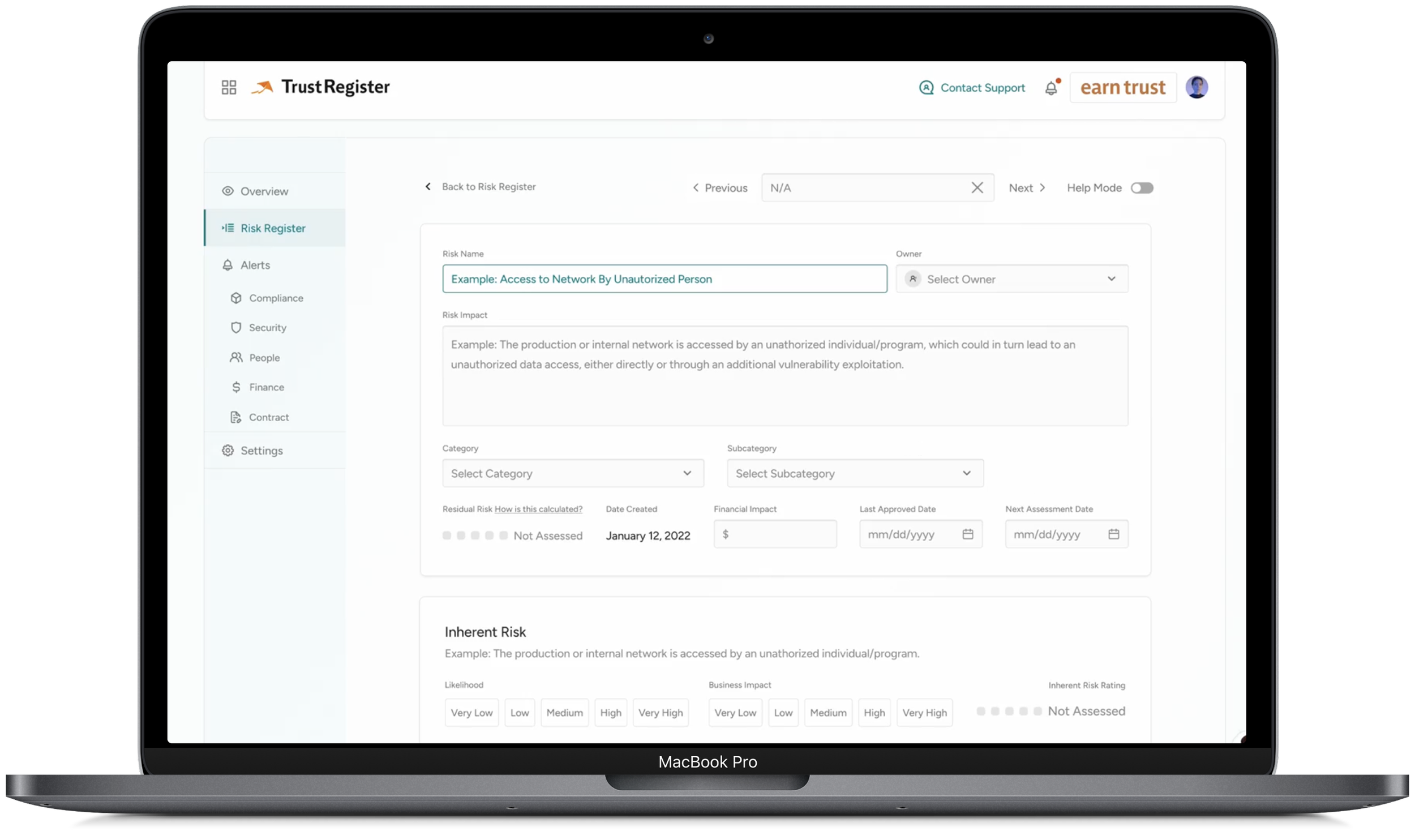
Iteration 2: Help Mode Discoverability
Before
After
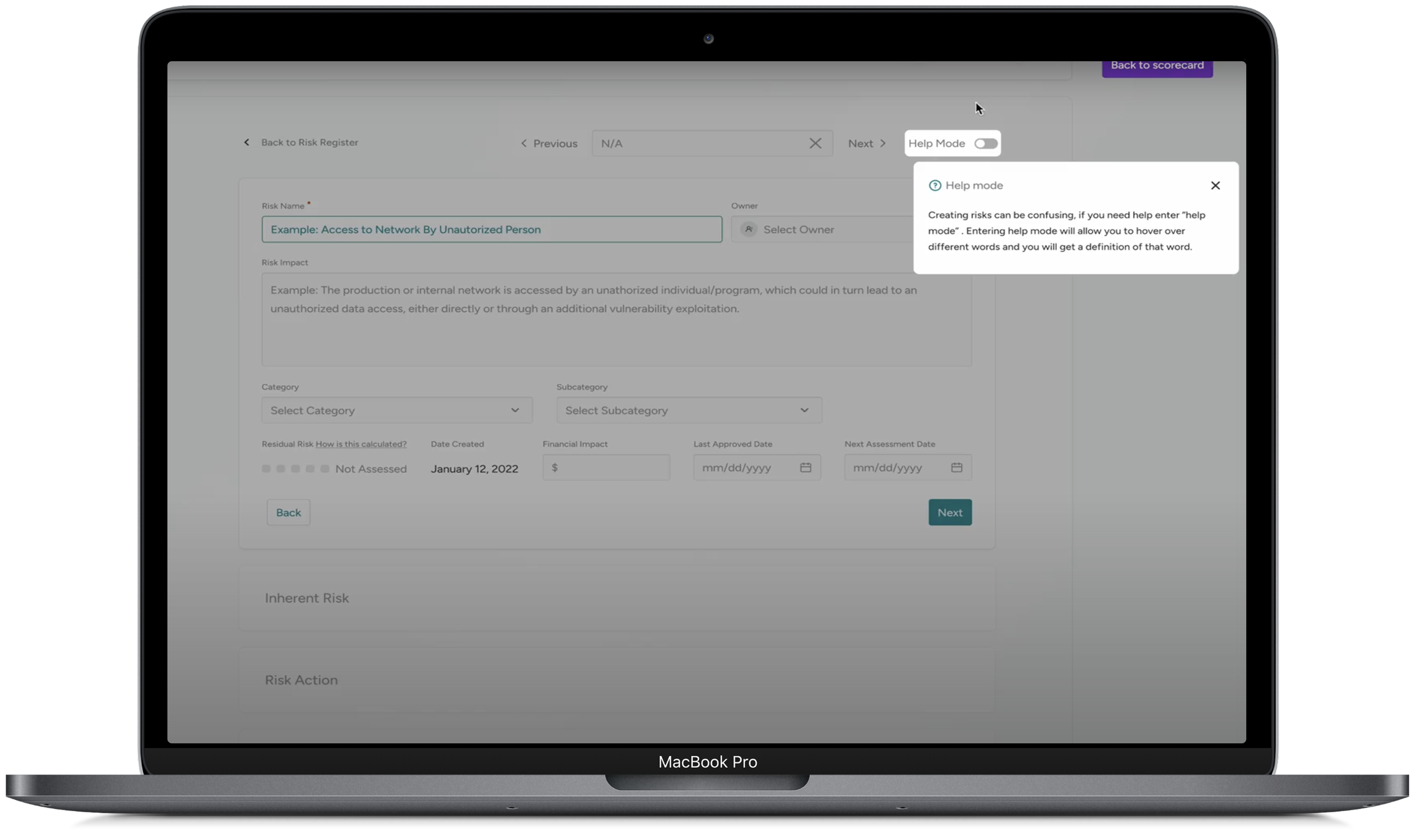
Users responded well to Help Mode, but several did not immediately notice it. A first-time prompt was added to introduce the feature when users first entered the page.

Final Solution
After testing and refining the concepts, I finalized the two prioritized features into a more cohesive onboarding experience designed to support both new and experienced users.

Insights
Early Impact
Key Takeaways
Designing for trust
Users were open to AI-supported guidance, but only when they felt confident the information would be accurate. Even small doubts around reliability quickly reduced enthusiasm for the chatbot concept.
Guidance should feel optional
The strongest feedback came when support features helped without interrupting workflow. Small moments of control, like skipping a guided tour or introducing Help Mode lightly, improved comfort across user types.
Product decisions depend on delivery reality
Some ideas generated strong excitement, but engineering effort and implementation complexity shaped what could realistically move forward first.
20%
More users noticed support features during early testing
10%
Decrease in support tickets
75%
of users reported the platform felt easier to navigate