Workforce: Making an AI Platform Usable for Everyone
An internal AI platform built by engineers for engineers, redesigned so everyone else could use it.
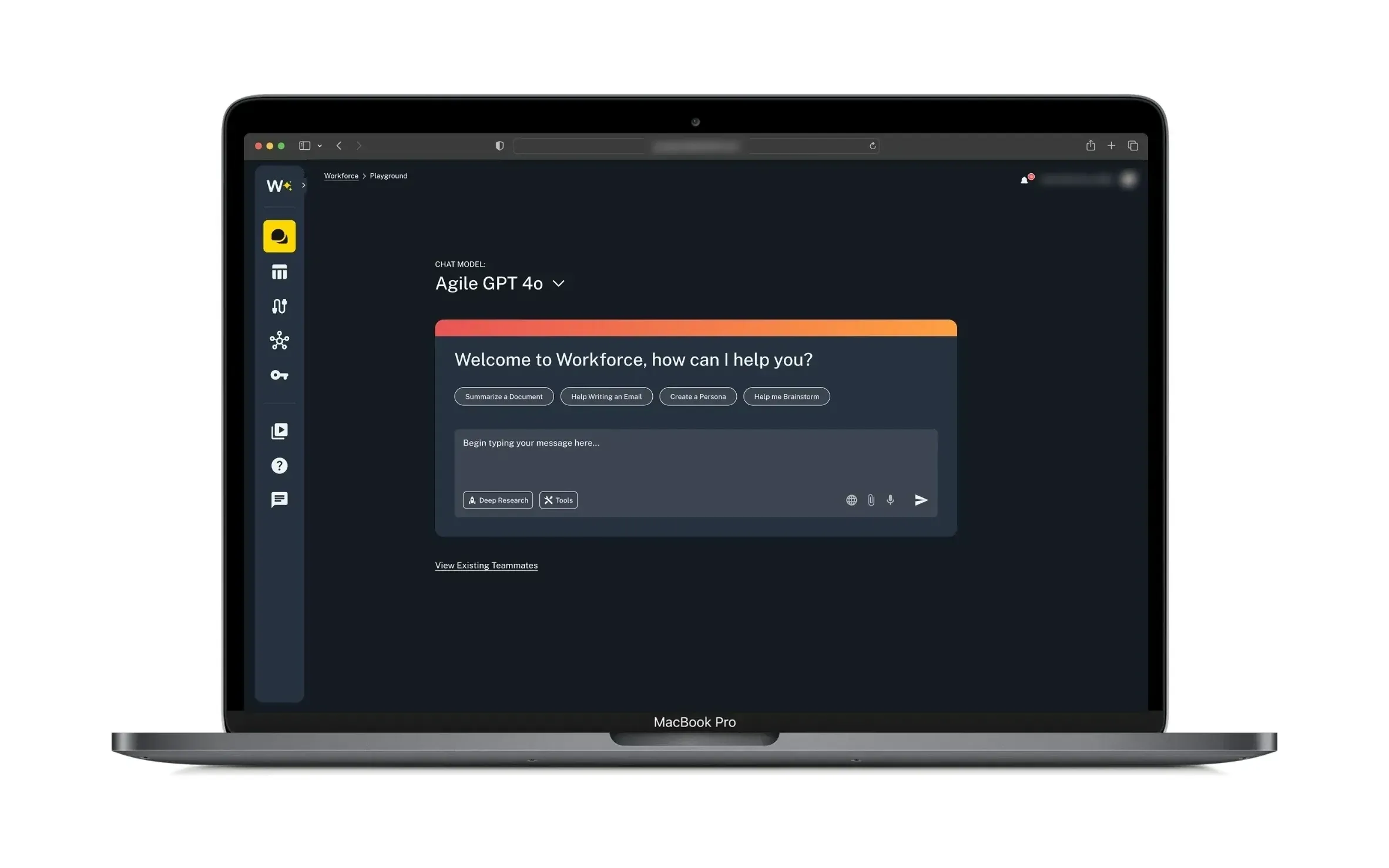
- 1.5x new users in the month after launch
- 3x activity from existing users
Overview
| Company | Agile Defense, a government contractor serving federal agencies |
|---|---|
| Role | Lead UX Designer, and the first designer on Workforce |
| Timeline | 2024–2025 |
| Platform | Workforce, the company’s internal AI agent platform |
The Problem
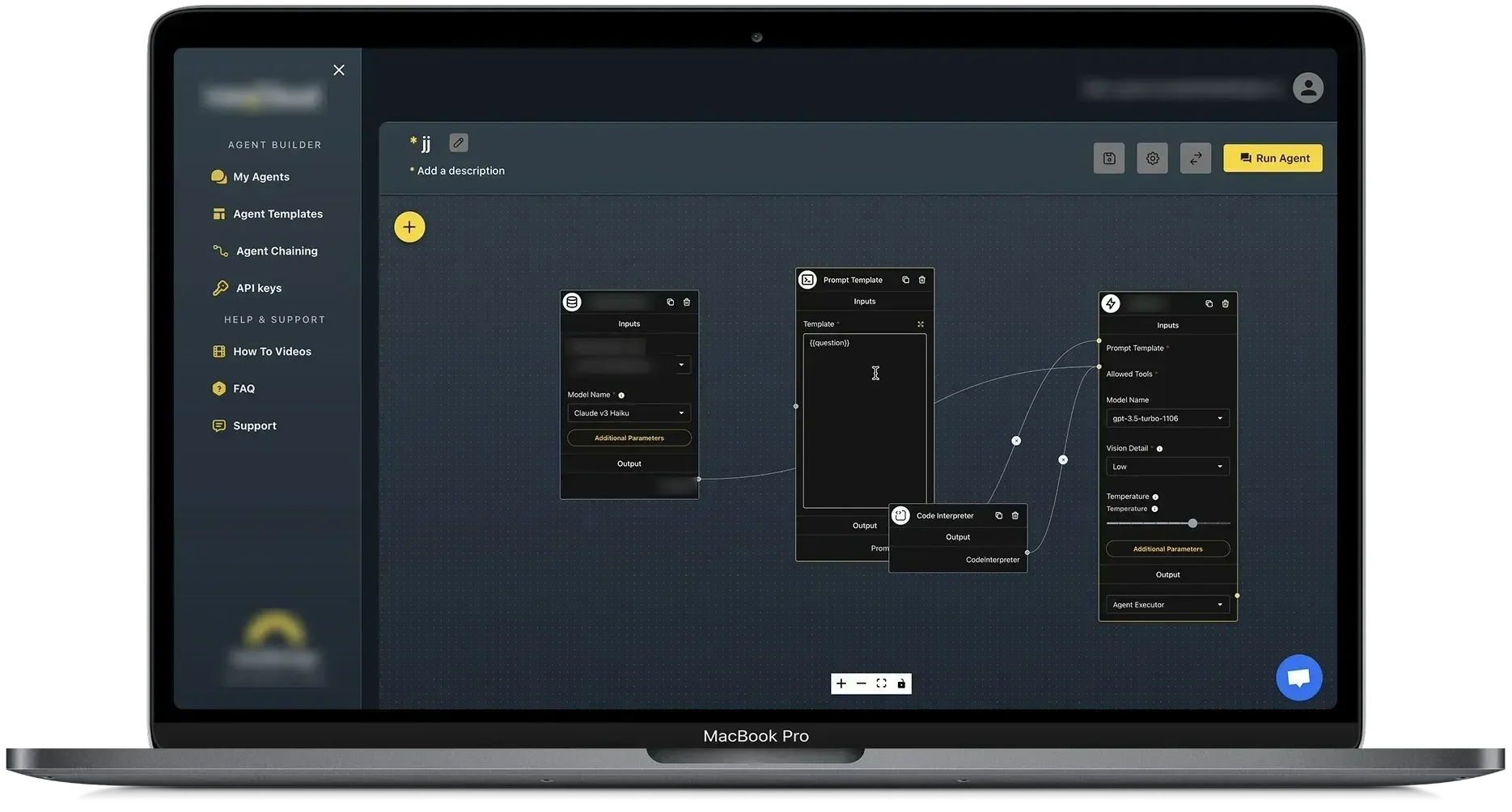
Workforce adoption was lower than expected, and nobody knew why.
Low adoption
Fewer employees used it than expected, which limited what it could do.Unknown friction
It wasn’t clear what stopped employees from trying it.Unclear role for AI
People couldn’t see how AI fit into the work they already did.
Current state
Users
Most employees were the opposite of the people who built Workforce.
Unfamiliar with AI
Limited exposure to AI tools.Non-technical
Mostly from non-technical backgrounds.Resistant to change
Hesitant to adopt new AI technology.
Technical users still mattered too. They were the platform’s champions, and any change couldn’t slow them down.
Discovery
I interviewed four non-technical new users and had them work through four key workflows: getting around the platform, chatting with an agent, building an agent and saving it.
- 4 of 4 were unsure what Workforce was for
- 3 of 4 struggled with unfamiliar terminology
- 3 of 4 couldn’t go from building an agent to chatting with it on their own
I would’ve quit within 5 mins of opening if I wasn’t on a call.
I honestly don’t know what I am supposed to get out of using this.
The core problem was the starting point. Workforce was built by engineers for engineers. It dropped new users straight into agent building with no easy first step, when most of them had barely used AI.
Key Decisions
1. A chat-first front door called the Playground
I looked at how ChatGPT, Gemini and Claude welcome first-time users: a conversational start, a personal greeting, suggested starting points and an obvious send button.
ChatGPT
Gemini
Claude
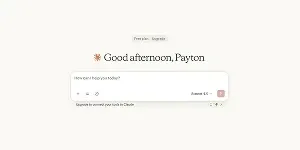
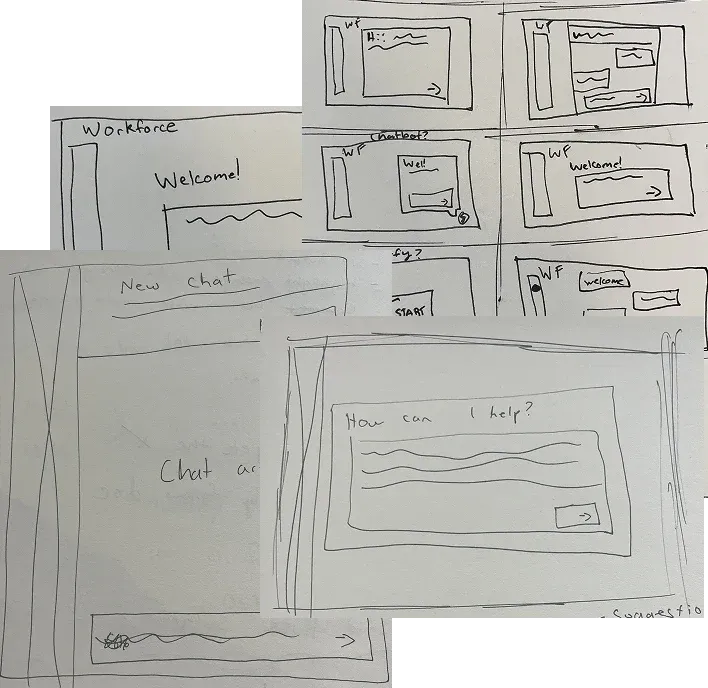
That easy first step was exactly what Workforce’s new users were missing. I took the pattern to paper and sketched a simple chat as Workforce’s entry point, so people could get value before ever building an agent.
2. Winning over a skeptical engineering team
The engineering team’s first reaction was a firm no. They didn’t see anything in it for technical users.
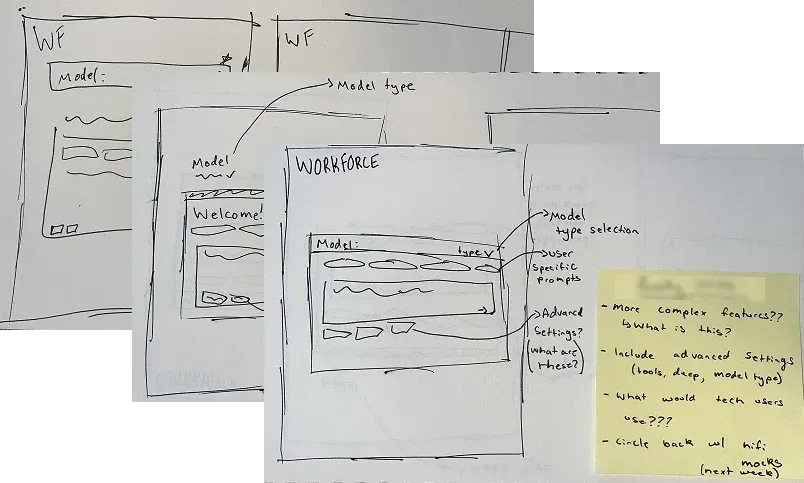
The concerns were real. Would it slow down technical users? Was it worth engineering time against other priorities? I brought low-risk sketches, sketched live on calls and framed the Playground as a small first step we’d shape together. The line that won the room was “We need to take one step back to take two forward.”
Live sketching (on the call)
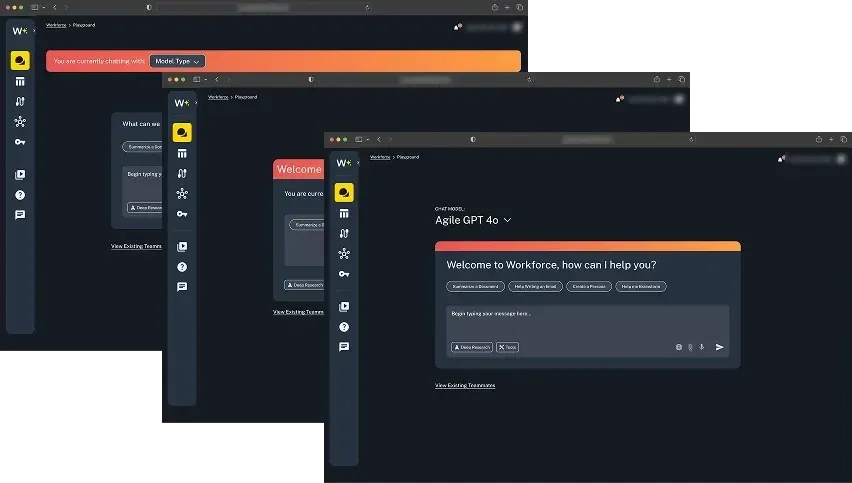
Hi-fi mocks (design system)
3. One screen that works for both audiences
The compromise, “Playground 2.0,” gave each group what it needed without getting in the other’s way.
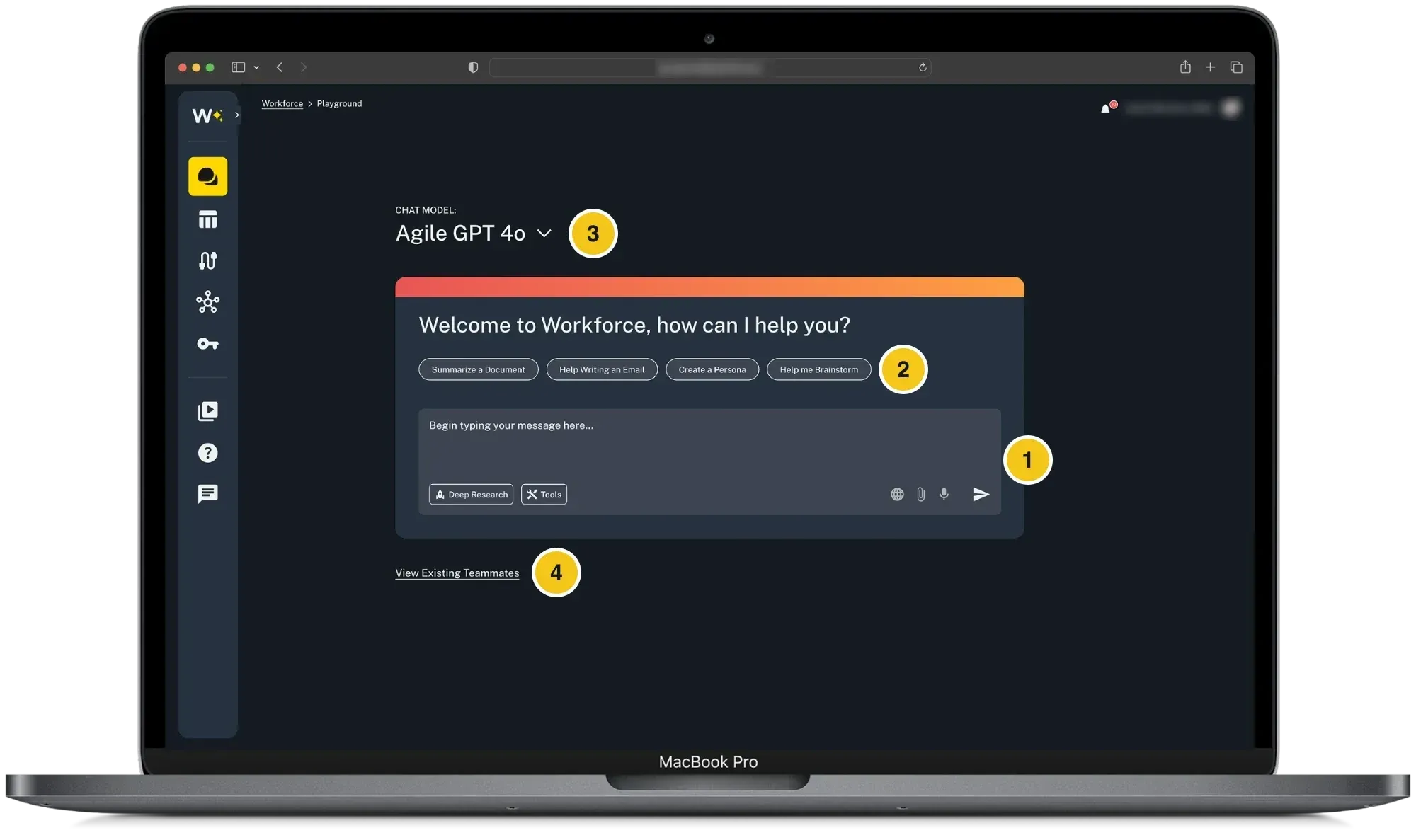
| On screen | For non-technical users | For technical users |
|---|---|---|
| 1 Message box | A familiar chat box with an obvious send button, so they can just start typing | Deep Research and Tools built right into the box |
| 2 Suggested prompts | Prompts based on past activity ease them into more complex prompting | Shortcuts to common workflows |
| 3 Model picker | A model is already selected, so there’s nothing to set up | Choose the model directly, without leaving the chat |
| 4 View Existing Teammates | A nudge to explore prebuilt agents | Quick access to their own agents |
The final screens were built on the design system I created. Before it, the company’s products had an inconsistent UI. I built the system from scratch and still maintain it across multiple applications, so new features like the Playground start from shared, tested components.
Results
We had limited access to analytics, but in the month after the Playground launched, the company reported:
- 1.5x new users in the month after launch
- 3x activity from existing users
I use Workforce weekly and have been learning how to build my own agents to do tasks for me.
That quote is the outcome I cared most about. Someone who started in the simple chat went on to build their own agents. Since then the platform has kept growing, including agent chaining, which I designed next.
Reflection
Bringing along people who resist change
Both the users and the engineering team were skeptical at first. Low-risk sketches and collaborative framing moved them further than a polished pitch would have.Earning trust as the first designer
I was the first designer on Workforce, so engineering had never worked with design before. Getting the lead engineer from “absolutely not” to building the Playground with us taught me that trust comes from small, low-risk steps, not big pitches.One design for both groups
We didn’t have to choose between non-technical and technical users. One design worked for both.